
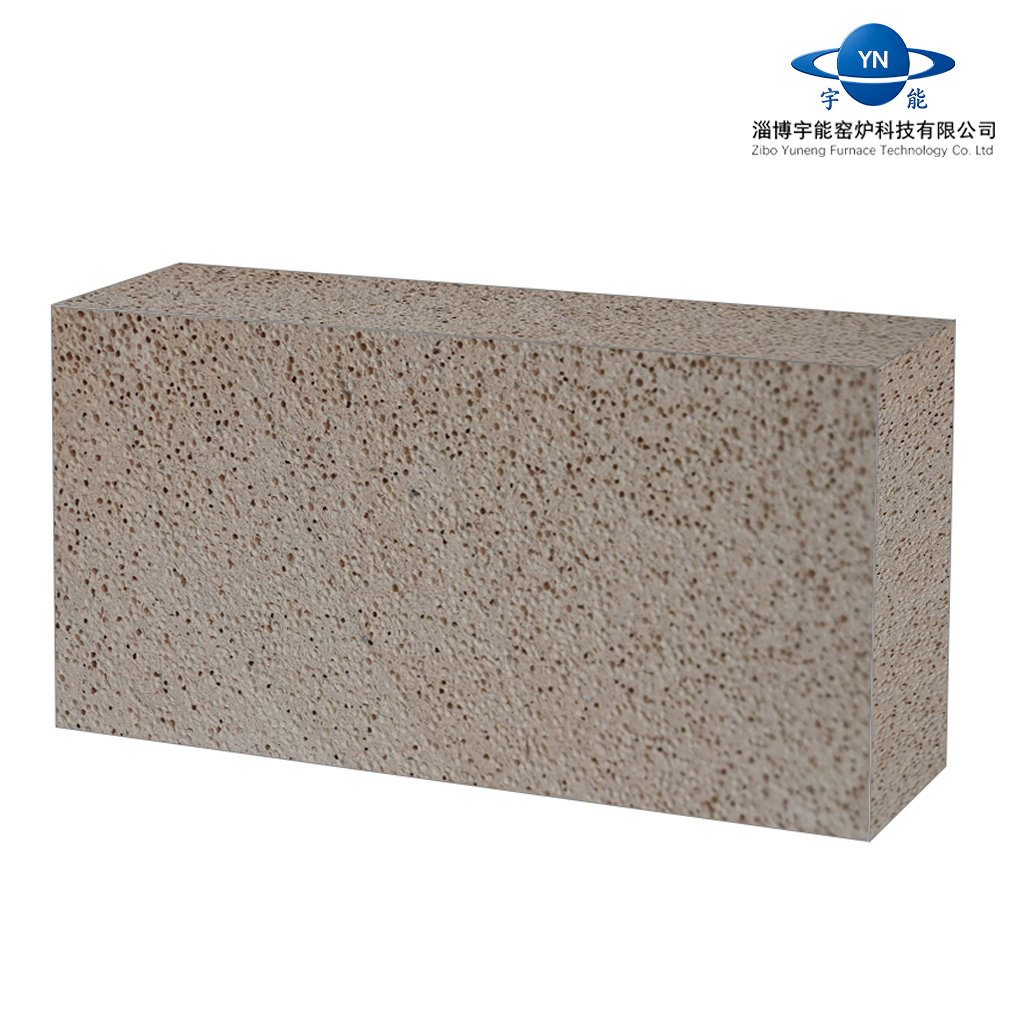
Corundum wear resistant plastic refractory is a high-performance, dense, and moldable refractory material designed for
furnace repair, maintenance, and hot-face patching in high-temperature industrial environments. It is widely used in
steelmaking, non-ferrous metallurgy, cement production, power generation, petrochemical processing, and other thermal
systems where abrasion resistance, thermal stability, and easy installation are essential. Because it combines
corundum-based aggregate with a plastic refractory binder system, this material offers
excellent wear resistance, strong adhesion, and convenient shaping performance for complex furnace repair jobs.
For industries searching for a reliable wear resistant plastic refractory for furnace repair, corundum
plastic refractory is often selected due to its balance of high strength, erosion resistance,
thermal shock resistance, and easy molding. It is especially suitable for patching worn
areas, rebuilding lining surfaces, repairing burner zones, and restoring hot spots without requiring complicated forming
processes. Its plastic consistency makes installation more efficient than many castables or brick-based repair methods.
Corundum wear resistant plastic refractory is a shaped repair material made primarily from corundum aggregate or high-alumina
raw materials, combined with binders, plasticizing agents, and additives that give the mixture a clay-like or plastic
texture. The material can be kneaded, packed, rammed, troweled, or manually molded into the repaired section of a furnace
or kiln lining. After installation, it hardens or sets under controlled heating conditions and becomes a dense refractory
body with strong resistance to abrasion, impact, and high-temperature corrosion.
The term corundum refers to a crystalline aluminum oxide material known for its hardness and chemical
stability. In refractory products, corundum provides excellent resistance to mechanical wear, slag erosion, and high-temperature
deformation. When used in a plastic refractory matrix, it improves service life in harsh furnace areas where ordinary
refractory materials may fail due to repeated thermal cycling, particle impact, or molten material attack.
Furnace repair materials must meet strict performance requirements. They must be easy to install, durable in service,
and capable of withstanding extreme temperatures and aggressive operating conditions. Corundum wear resistant plastic
refractory offers several advantages that make it suitable for repair applications:
These benefits make corundum wear resistant plastic refractory an important material in modern furnace maintenance strategies.
It supports cost-effective repair work while improving lining reliability and production continuity.
Although exact formulas vary by application, the general composition of corundum wear resistant plastic refractory usually
includes the following elements:
| Component | Typical Function | Common Material Type |
|---|---|---|
| Corundum aggregate | Main wear-resistant phase | Fused corundum, sintered corundum, tabular alumina |
| Fine powder matrix | Fills gaps and improves density | High-alumina powder, alumina fines |
| Binder | Provides plasticity and green strength | Clay binder, chemical binder, composite binder |
| Plasticizing agent | Improves workability and molding performance | Organic or inorganic plasticizer |
| Water or liquid medium | Adjusts consistency for installation | Controlled amount of moisture |
| Additives | Enhances setting, resistance, or thermal behavior | Anti-spalling agents, antioxidants, dispersants |
The balance between coarse corundum particles and fine matrix materials is critical. A dense particle packing structure
improves abrasion resistance, while a suitable binder system ensures the material remains workable during furnace repair
and then develops sufficient strength after installation.
One of the most important characteristics of this refractory is its excellent wear resistance. Corundum has a high hardness
level, which helps the material resist erosion from fast-moving solids, repeated impact, and friction from furnace burden
or process flow. This is especially valuable in repair zones that experience constant mechanical stress.
Corundum plastic refractory is known for easy molding. Workers can shape it directly at the repair site without complex
casting molds or advanced forming equipment. This makes it ideal for irregular furnace surfaces, partial relining, and
emergency patch repairs where speed and flexibility are essential.
A major challenge in furnace repair is creating a dependable bond between new repair material and the old lining surface.
Plastic refractory materials are designed to press firmly against the substrate, improving contact and reducing the risk
of separation or fall-off during operation.
Corundum wear resistant plastic refractory is formulated to perform under severe thermal conditions. It is suitable for
hot furnace environments where standard repair materials might soften, crack, or degrade. Its high alumina and corundum
content provide a stable structure during long-term service.
Furnace repair materials often fail because of rapid temperature changes. This plastic refractory is designed to better
tolerate heating and cooling cycles, reducing spalling and surface cracking. Good thermal shock resistance supports longer
lining life and fewer repair interruptions.
Because it is easy to install and mold, this material can shorten repair time and help restore furnace operation faster.
For facilities where downtime directly affects output and cost, this is a significant operational advantage.
Corundum wear resistant plastic refractory is widely used across many furnace and high-temperature equipment repair
scenarios. Common applications include:
These applications demonstrate why corundum wear resistant plastic refractory is valued in industries requiring reliable,
quick-turnaround furnace repair solutions.
The performance of corundum wear resistant plastic refractory depends on the precise formulation, installation quality,
and service environment. However, common characteristics include:
| Property | Typical Performance Direction | Relevance to Furnace Repair |
|---|---|---|
| Bulk density | High | Improves wear resistance and structural strength |
| Compressive strength | High after setting | Supports load-bearing repair sections |
| Refractoriness | Very high | Suitable for severe high-temperature environments |
| Abrasion resistance | Excellent | Extends service life in erosive conditions |
| Thermal shock resistance | Good to excellent | Reduces cracking during temperature changes |
| Plasticity | Good | Makes on-site molding easier |
| Bonding performance | Strong | Improves repair reliability |
The following table provides a general reference for corundum wear resistant plastic refractory specifications. Actual values
may differ depending on formulation, firing method, and application conditions.
| Item | Typical Range / Value | Notes |
|---|---|---|
| Alumina content | 60%–95% | Higher alumina generally improves refractoriness and strength |
| Corundum content | Moderate to high | Key factor in wear resistance |
| Bulk density | 2.6–3.2 g/cm³ | Depends on formulation and particle packing |
| Cold crushing strength | Medium to high | Improves after proper drying and heating |
| Service temperature | 1400°C–1800°C | Application-dependent |
| Permanent linear change | Low | Indicates good dimensional stability |
| Installation method | Ramming, packing, troweling, molding | Selected based on repair area and furnace type |
| Texture | Plastic, dense, moldable | Designed for easy on-site shaping |
In furnace maintenance, repair materials must be practical as well as durable. Corundum wear resistant plastic refractory
supports efficient repair workflows in several ways. First, its moldable consistency allows technicians to place the material
precisely where damage has occurred. Second, it can be compacted tightly to eliminate voids and improve lining continuity.
Third, it can be used for localized restoration, minimizing the need to dismantle large furnace sections.
The repair process typically includes surface cleaning, removal of loose debris, preparation of the damaged area, placement
of the plastic refractory, compaction or ramming, surface finishing, and controlled drying or heating. Because the material
is designed for easy molding, installation can often be completed faster than conventional refractory brick repairs.
Proper installation is essential to achieve the full performance of corundum wear resistant plastic refractory. General
handling practices include:
Correct installation helps ensure better adhesion, lower porosity, and improved service life. In high-wear furnace repair
applications, installation quality is just as important as material composition.
Corundum wear resistant plastic refractory is often compared with castables, ramming mixes, refractory mortars, and brick
repair methods. Each material has its own strengths, but the plastic refractory format offers a distinct combination of
moldability and wear resistance.
| Material Type | Main Advantage | Main Limitation | Best Use Case |
|---|---|---|---|
| Corundum plastic refractory | Easy molding + high wear resistance | Requires proper handling and drying | Furnace repair, patching, irregular zones |
| Castable refractory | Good uniformity and large-area placement | Needs formwork and curing control | Large lining sections |
| Ramming mix | Dense installation for specific areas | Less flexible than plastic refractory | Bottoms, floors, and compacted zones |
| Refractory mortar | Thin joint filling and bonding | Not suitable for major rebuilds | Brick joints and minor repairs |
| Refractory bricks | Structured and durable | Requires more installation time | Full linings and regular geometries |
Several factors influence the service life of corundum wear resistant plastic refractory in furnace repair projects:
Understanding these factors helps engineers choose the right refractory grade and repair approach for each furnace section.
Corundum wear resistant plastic refractory is used in a wide range of industrial environments, especially where abrasion and
thermal stress occur together. Common sectors include:
In each of these industries, the combination of wear resistance, easy molding, and
high-temperature stability is valuable for maintaining production efficiency and lining integrity.
When selecting corundum wear resistant plastic refractory for furnace repair, it is important to evaluate the following:
| Selection Factor | What to Consider |
|---|---|
| Temperature level | Match the refractory grade to the expected operating temperature |
| Wear intensity | Assess abrasion, impact, and erosion severity |
| Chemical environment | Consider slag, ash, gas, or molten material exposure |
| Repair geometry | Choose a material with suitable molding and forming properties |
| Installation method | Confirm whether ramming, packing, or troweling is preferred |
| Drying and heat-up schedule | Ensure the repair plan matches the product’s technical requirements |
The following keyword phrases are commonly associated with this topic and can help support search visibility when used
naturally throughout an industry page or blog article:
Yes. Its easy molding characteristics and strong adhesion make it suitable for emergency furnace repair, localized patching,
and rapid maintenance work where downtime must be minimized.
Corundum offers high hardness, excellent abrasion resistance, and strong thermal stability. These properties are valuable
in furnace zones exposed to erosion, impact, and extreme heat.
Yes. The plastic consistency allows it to be shaped on irregular, curved, or difficult-to-access surfaces, making it ideal
for complex furnace repair areas.
Most plastic refractory materials require controlled drying or heat-up schedules to ensure proper performance. Exact
procedures depend on the product formulation and repair conditions.
Corundum wear resistant plastic refractory is a practical and durable solution for furnace repair where high abrasion
resistance, easy molding, and dependable high-temperature performance are required. Its combination of corundum-based
strength and plastic installation behavior makes it especially useful for patch repair, lining restoration, and maintenance
of critical furnace zones. In industrial operations that demand efficient turnaround and long-lasting refractory protection,
this material stands out as a versatile choice for hot-face repair and wear-prone applications.
For blogs, directory pages, and industry landing pages, the topic of corundum wear resistant plastic refractory
easy molding for furnace repair offers strong SEO potential because it combines technical search intent with
practical application language. A well-structured article that includes definitions, benefits, specifications, and use
cases can improve search relevance and help users quickly understand the value of this refractory repair material.
```



本网站使用 cookie 来确保您在我们的网站上获得最佳体验。

 English



 Whatsapp
 电话
电话
评论
(0)