
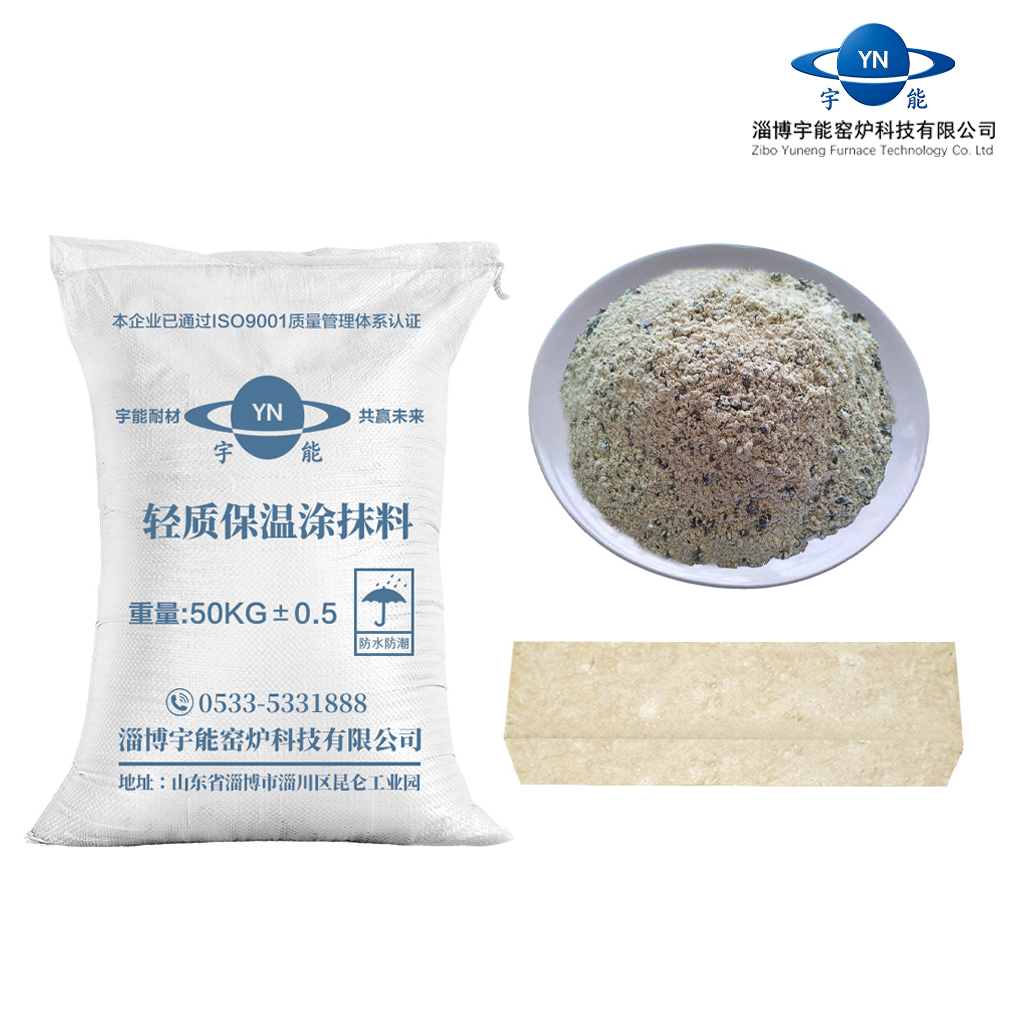
Grade 3 High Alumina Large Cutting Brick is a widely used industrial refractory material designed for high-temperature environments that demand strength, thermal stability, and long service life. This type of refractory brick is commonly selected for furnaces, kilns, boilers, incinerators, and other thermal processing systems where heat resistance and structural reliability are critical. As an industrial refractory material, it offers a strong balance of alumina content, mechanical durability, and cost efficiency, making it a practical option for a broad range of high-heat applications.
In modern refractory engineering, high alumina large cutting brick refers to shaped refractory brick products manufactured with elevated alumina levels and cut into larger dimensions for specific installation requirements. The “Grade 3” classification generally indicates a standard level within the high alumina refractory category, suitable for moderate to severe thermal conditions. Because of its performance characteristics, this material is often used in lining systems where the refractory must withstand repeated heating and cooling cycles, abrasion, slag contact, and heavy load conditions.
Grade 3 High Alumina Large Cutting Brick is a shaped refractory brick made primarily from bauxite, calcined alumina, fireclay, and other engineered refractory raw materials. The brick is fired at high temperature to achieve dense structure, stable performance, and dependable high-temperature resistance. Compared with ordinary fire bricks, a high alumina brick provides better refractoriness, better mechanical strength, and improved resistance to thermal stress.
The term large cutting brick generally describes a brick format manufactured in larger sizes or cut dimensions to fit the needs of industrial linings. These custom-sized or oversized refractory bricks can reduce installation joints, improve lining integrity, and help simplify construction in selected furnace zones. In many cases, large cutting bricks are used where standard shapes cannot meet the design geometry or where structural efficiency is important.
Grade 3 High Alumina Large Cutting Brick is not a decorative or architectural product. It is a technical industrial refractory material used in demanding thermal systems. Its value lies in its ability to maintain shape and strength under heat, resist wear, and support stable operation in continuous or intermittent high-temperature production.
This refractory brick combines several important performance features that make it suitable for industrial furnace lining. The most notable characteristics include high refractoriness, moderate to high load-bearing capacity, thermal shock resistance, and strong resistance to abrasion and erosion. These properties are essential for long-term performance in sectors such as metallurgy, cement, ceramics, power generation, and chemical processing.
Industrial thermal equipment requires materials that can survive severe operating conditions. In many cases, ordinary clay brick or low-grade refractory products cannot provide adequate service life. Grade 3 High Alumina Large Cutting Brick is widely used because it offers a practical combination of performance and economics. It is strong enough for many high-temperature applications while remaining more cost-effective than some premium-grade refractory systems.
Another reason this product is widely adopted is its versatility. It can be used in a variety of furnace shapes and process environments. The large cutting format also helps engineers and installers adapt refractory lining designs to specific project requirements. Whether the goal is to improve energy efficiency, increase lining durability, or reduce maintenance frequency, high alumina refractory brick is often considered a dependable solution.
The advantages of this industrial refractory material are directly related to its composition, firing process, and shape flexibility. Below are some of the most important benefits for industrial users.
| Advantage | Description | Industrial Value |
|---|---|---|
| High temperature resistance | Performs reliably in elevated heat conditions without rapid structural breakdown. | Supports continuous operation in furnaces and kilns. |
| Low thermal deformation | Maintains shape and strength during prolonged firing and cooling cycles. | Improves lining stability and service life. |
| Improved mechanical durability | Resists crushing, impact, and load stress in industrial systems. | Useful for load-bearing furnace sections. |
| Better thermal shock resistance | Handles sudden temperature changes more effectively than many basic refractory materials. | Reduces cracking and downtime. |
| Large cutting flexibility | Can be supplied in oversized or custom cut dimensions for special installation needs. | Improves fit and reduces installation complexity. |
| Cost-performance balance | Offers strong performance at a reasonable cost compared with higher-end refractory grades. | Good option for many industrial projects. |
While exact values vary depending on formulation, production method, and supplier specification, Grade 3 High Alumina Large Cutting Brick generally follows a range of common technical parameters. These properties are important for engineers, procurement teams, and refractory contractors when evaluating material suitability.
| Property | Typical Range | Notes |
|---|---|---|
| Alumina content (Al2O3) | Approx. 55% to 65% | Actual level depends on grade and raw materials. |
| Bulk density | Approx. 2.2 to 2.6 g/cm³ | Higher density usually indicates better strength. |
| Apparent porosity | Approx. 18% to 24% | Lower porosity may improve corrosion resistance. |
| Cold crushing strength | Approx. 40 to 70 MPa | Reflects resistance to compressive loads. |
| Refractoriness | Above 1750°C | Suitable for high-temperature industrial use. |
| Refractoriness under load | Often above 1400°C | Important for structural stability in service. |
| Thermal shock resistance | Moderate to good | Depends on microstructure and installation conditions. |
One of the most important features of Grade 3 High Alumina Large Cutting Brick is its availability in large or special cut dimensions. Unlike only standard refractory brick sizes, large cutting formats can be tailored to suit lining geometry, arch structures, burner areas, transition zones, and other engineered applications.
The following table shows example size categories commonly associated with large cutting refractory brick. These are general reference formats, not fixed universal standards.
| Size Category | Example Dimensions | Typical Use |
|---|---|---|
| Standard large brick | 230 × 114 × 65 mm or similar | General furnace lining and repair work. |
| Oversized brick | 240 × 120 × 80 mm or larger | Heavy-duty lining sections and structural zones. |
| Cut arch brick | Custom wedge or arc shapes | Furnace arches, domes, and curved construction. |
| Special shaped brick | Made to drawing | Burner blocks, corners, transitions, and unique equipment designs. |
This material is used across many industrial sectors that require durable refractory lining. Its application depends on temperature level, chemical environment, thermal cycling frequency, and mechanical load. Because it is a high alumina refractory material, it is especially valuable in zones where better performance than standard fireclay brick is needed.
A well-designed refractory lining is essential for safe and efficient furnace operation. Grade 3 High Alumina Large Cutting Brick supports furnace performance in several ways. First, it helps maintain internal thermal conditions by reducing heat loss through the lining. Second, it provides a protective barrier between the hot process zone and the furnace shell. Third, its structural strength helps the lining resist failure caused by load stress, vibration, and process movement.
Large cutting refractory brick can also reduce the number of mortar joints in a lining system. Fewer joints may mean less thermal leakage and less vulnerability to joint degradation. In many industrial applications, this can improve operational efficiency and extend maintenance intervals. For systems exposed to repeated cycling, the brick’s ability to resist cracking is another important advantage.
The performance of Grade 3 High Alumina Large Cutting Brick depends heavily on material selection and manufacturing control. The raw materials are typically chosen for their alumina content, purity, particle size distribution, and sintering behavior. Common ingredients include calcined bauxite, alumina powder, refractory clay, and small amounts of bonding agents or performance additives.
The typical production process includes crushing, grading, mixing, forming, drying, and high-temperature firing. During firing, the brick develops its final density and microstructure. Careful temperature control is important because it influences porosity, strength, and resistance to thermal shock. For large cutting brick, dimensional precision is also important because special-sized products must fit correctly during installation.
When selecting refractory materials, it is useful to compare Grade 3 High Alumina Large Cutting Brick with other common brick types. This helps buyers and engineers determine whether the product is suitable for the intended environment.
| Brick Type | Main Strength | Typical Limitation | Relative Position |
|---|---|---|---|
| Fireclay brick | Economical and widely available | Lower temperature resistance and strength | Basic refractory option |
| Grade 3 high alumina brick | Balanced heat resistance and mechanical durability | Not as advanced as premium high alumina grades | Mid-range industrial refractory material |
| Higher grade alumina brick | Higher purity and stronger resistance | Usually higher cost | Advanced performance option |
| Special castable refractory | Flexible shaping for complex structures | Installation and drying require more process control | Alternative for monolithic lining systems |
Choosing the correct high alumina refractory brick depends on service temperature, atmosphere, load requirements, abrasion level, and lining design. Grade 3 High Alumina Large Cutting Brick is usually selected when a project requires a dependable refractory brick with good overall performance and a practical cost structure. For complex lining geometries, the large cutting format can also reduce the need for field modification.
When comparing options, industrial users should consider the following factors:
Proper installation is essential for maximizing the service life of any industrial refractory material. Even a high-quality high alumina brick can fail prematurely if installed incorrectly. For Grade 3 High Alumina Large Cutting Brick, attention should be given to joint thickness, brick alignment, expansion allowances, and surface preparation.
Because large cutting brick may be heavier or specially shaped, handling and placement should follow the project’s technical plan. Mortar selection should also be compatible with the brick and operating environment. In many cases, careful dry fitting and layout planning are recommended before final installation begins.
The actual working life of Grade 3 High Alumina Large Cutting Brick depends on both material quality and operating conditions. Several factors can affect performance:
In environments with severe chemical attack or extreme temperature fluctuation, a more specialized refractory solution may be required. However, for many industrial systems, Grade 3 high alumina brick provides a strong and dependable balance between performance and value.
The large cutting format offers several practical benefits beyond the material’s chemical and thermal performance. These benefits are especially important in industrial construction and maintenance projects where speed, precision, and lining integrity matter.
| Benefit | Explanation | Project Impact |
|---|---|---|
| Fewer joints | Larger brick formats can reduce the total number of mortar joints. | May improve lining continuity and thermal efficiency. |
| Better fit for custom areas | Special cutting shapes can match unusual furnace structures. | Reduces onsite modification time. |
| Improved structural stability | Properly designed large bricks support stronger lining sections. | Useful in high-load and high-wear zones. |
| Reduced installation complexity | Well-planned shapes can simplify refractory assembly. | Can shorten construction schedules. |
For content planning, catalog pages, and industrial blog optimization, the following keyword phrases are highly relevant to this topic. They can be integrated naturally into headings, paragraphs, image alt text, metadata, and product category descriptions.
Understanding standard refractory terminology helps buyers and technical readers evaluate product specifications more effectively.
| Term | Meaning |
|---|---|
| Refractoriness | The ability of a material to withstand very high temperatures without melting or deforming. |
| Bulk density | The mass of the material per unit volume, including pores. |
| Apparent porosity | The percentage of open pores visible in the refractory structure. |
| Cold crushing strength | The compressive strength of the brick at room temperature. |
| Thermal shock resistance | The ability to tolerate rapid temperature changes without cracking. |
| Refractory lining | The protective heat-resistant inner layer of a furnace or thermal unit. |
Grade 3 High Alumina Large Cutting Brick is a dependable industrial refractory material used in high-temperature systems that require strength, thermal stability, and practical installation flexibility. With its balanced alumina content, strong mechanical properties, and large cutting format, it serves as a valuable solution for furnace lining, kiln construction, and other demanding thermal applications.
For industrial projects that need a high temperature refractory brick with reliable performance and versatile sizing, Grade 3 high alumina brick remains a widely recognized option. Its combination of heat resistance, durability, and cost efficiency makes it suitable for many types of refractory engineering work. When specified correctly and installed properly, it can contribute to improved furnace life, reduced maintenance, and stable industrial operation.



本网站使用 cookie 来确保您在我们的网站上获得最佳体验。

 English



 Whatsapp
 电话
电话
评论
(0)